How school awards can support AI search visibility
Beyond the Trophy
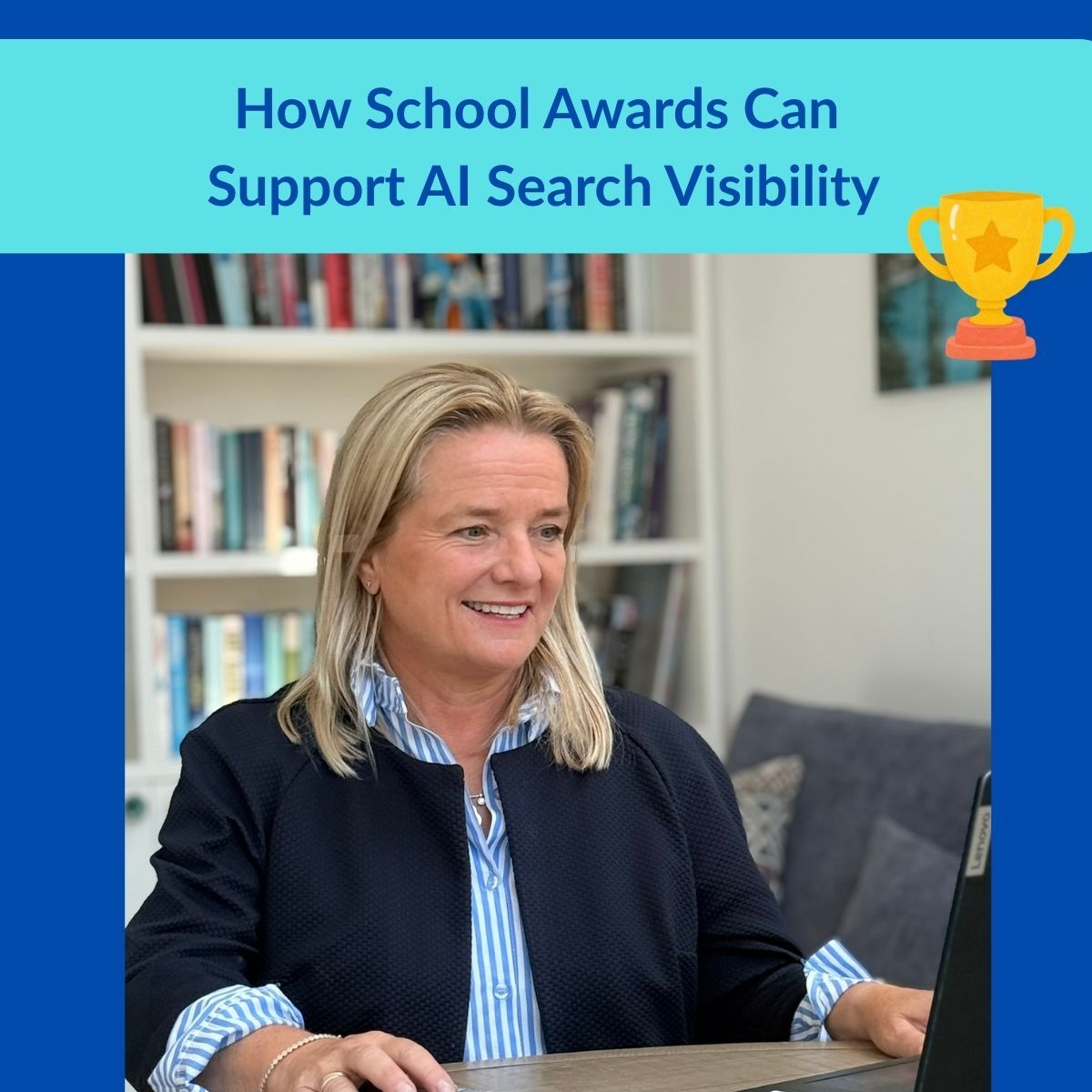
I spend a lot of time helping schools uncover the stories that could make a strong award entry.
Again and again, I find excellent work taking place, but much of the evidence is hidden away in reports, presentations and conversations. Sometimes even the marketing team does not know the full story.
Recently, I started wondering: could the work behind award entries also help schools become more visible in AI search?
I think it could.
Parents are changing the way they search
For years, schools have thought about appearing near the top of Google when a parent searches for something such as “independent schools in Kent”.
Parents can now ask ChatGPT, Google or another AI tool much more detailed questions:
· Which schools offer particularly strong support for anxious children?
· What should I look for in a boarding school for an international pupil?
· Which schools combine academic ambition with excellent pastoral care?
Instead of receiving a list of websites, the parent may be given a written answer that draws information from different sources.
That creates a new question for schools: what would give an AI tool a good reason to include yours?
Claims are not the same as evidence
Most school websites make similar promises. Every child is known. Pastoral care is excellent. Pupils are prepared for the future.
These claims may be completely true, but they do not tell a parent what the school actually does differently.
If a school says its pastoral care is exceptional, where is the evidence? Is there a particular programme or approach? What has improved? What do pupils and parents say? Is there data to support it? Has the work been recognised by anyone outside the school?
This matters to families, but it may also help search tools understand why a school should be associated with a particular strength.
The good news is that schools do not need to start writing strange, robotic copy for AI. Google’s own advice is to concentrate on useful, original content created for people. Clear websites, genuine expertise and reliable evidence remain important.
In other words, good school marketing still starts with knowing what makes your school distinctive and being able to prove it.
Where awards come in
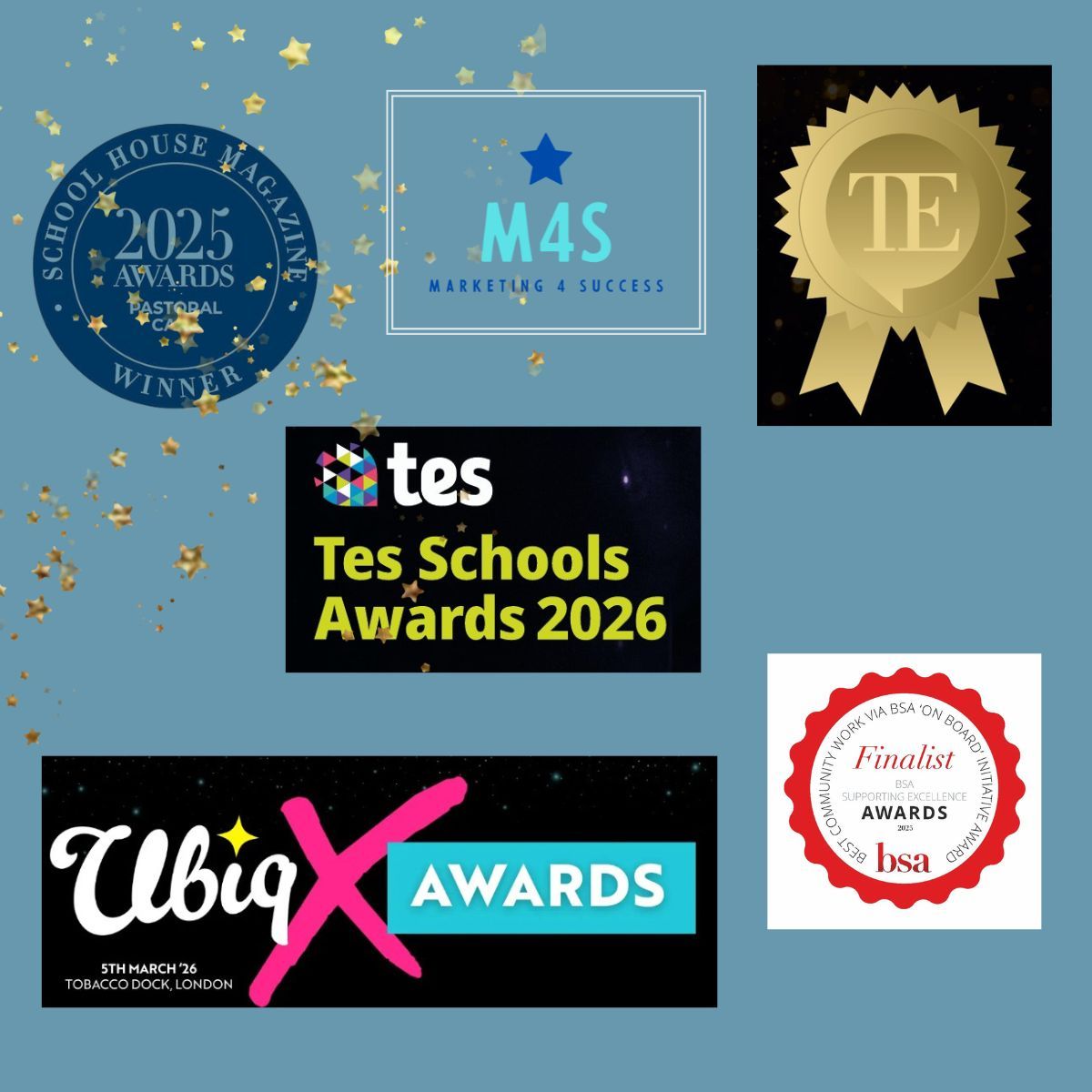
Awards are not simply about winning trophies. At their best, they help a school identify and tell the stories that deserve wider recognition.
A strong entry cannot rely on a broad claim. It needs examples, outcomes, statistics, first-hand experiences and evidence of impact. Gathering that information often reveals valuable material that has never been used properly in the school’s wider marketing.
The entry itself may remain private, but its story should not disappear into an application form.
It could also become:
· A useful article for prospective parents
· A case study for the school website
· A thought-leadership piece from the Head or another specialist
· An editorial story for an education publication
· Stronger evidence for admissions conversations
· Social media content that links back to the fuller story
If the school is shortlisted or wins, it also gains genuine independent recognition. This provides an outside voice supporting what the school says about itself.
Importantly, the work still has value even if the entry does not win.
Are schools making the most of their expertise?
School news pages are often very busy. They celebrate fixtures, trips, concerts, results and special days, all of which give families a welcome glimpse of school life.
But how often do they answer the bigger questions parents are asking?
A school with real expertise in helping international pupils settle into boarding could share practical advice about homesickness and transition. A school with a distinctive approach to neurodiversity could explain how that support works and the difference it makes. Another might have powerful evidence about pupil wellbeing, community partnerships or preparation for life beyond school.
This is not about producing content for the sake of it. It is about turning knowledge that already exists within the school into something useful, credible and easy to find.
Start with the story
AI search is changing quickly, and no one can promise that a school will appear in a particular answer.
But schools can give themselves a stronger chance of being understood and recognised. They can replace familiar claims with meaningful evidence, share more of their genuine expertise and build credible recognition beyond their own website.
Awards, editorial coverage, thought leadership and search should not be treated as entirely separate activities. They can all help a school tell a clearer and more convincing story.
So perhaps the question is no longer simply, “Can parents find our school?”
It is also, “Have we given them enough evidence to understand why we could be the answer?”
If your school is doing excellent work but finding it difficult to uncover or communicate the strongest stories, I would be delighted to help you turn that evidence into awards entries, thought leadership and content that builds lasting recognition.